Major Data Structures [ English ]
1. Array



Definition
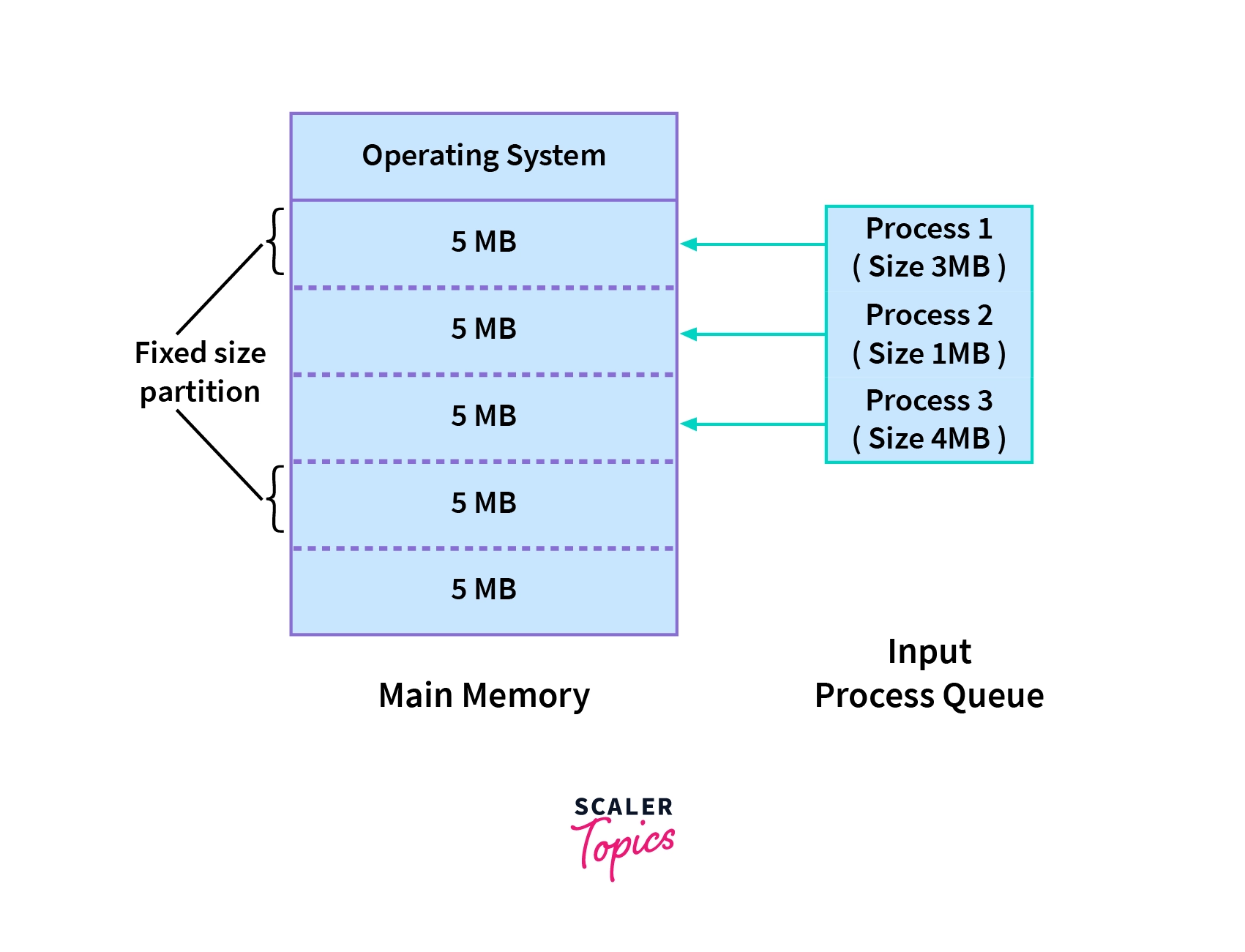
An Array is a linear data structure that stores elements of the same type in contiguous memory locations.
Characteristics
- Fixed size
- Fast access using index (O(1))
- Homogeneous elements
- Insertion/deletion is costly
Real-Life Example
- Storing marks of students in a list
Best For (Key Insight)
- When fast access to elements is required
- When data size is known in advance
2. Linked List


Definition
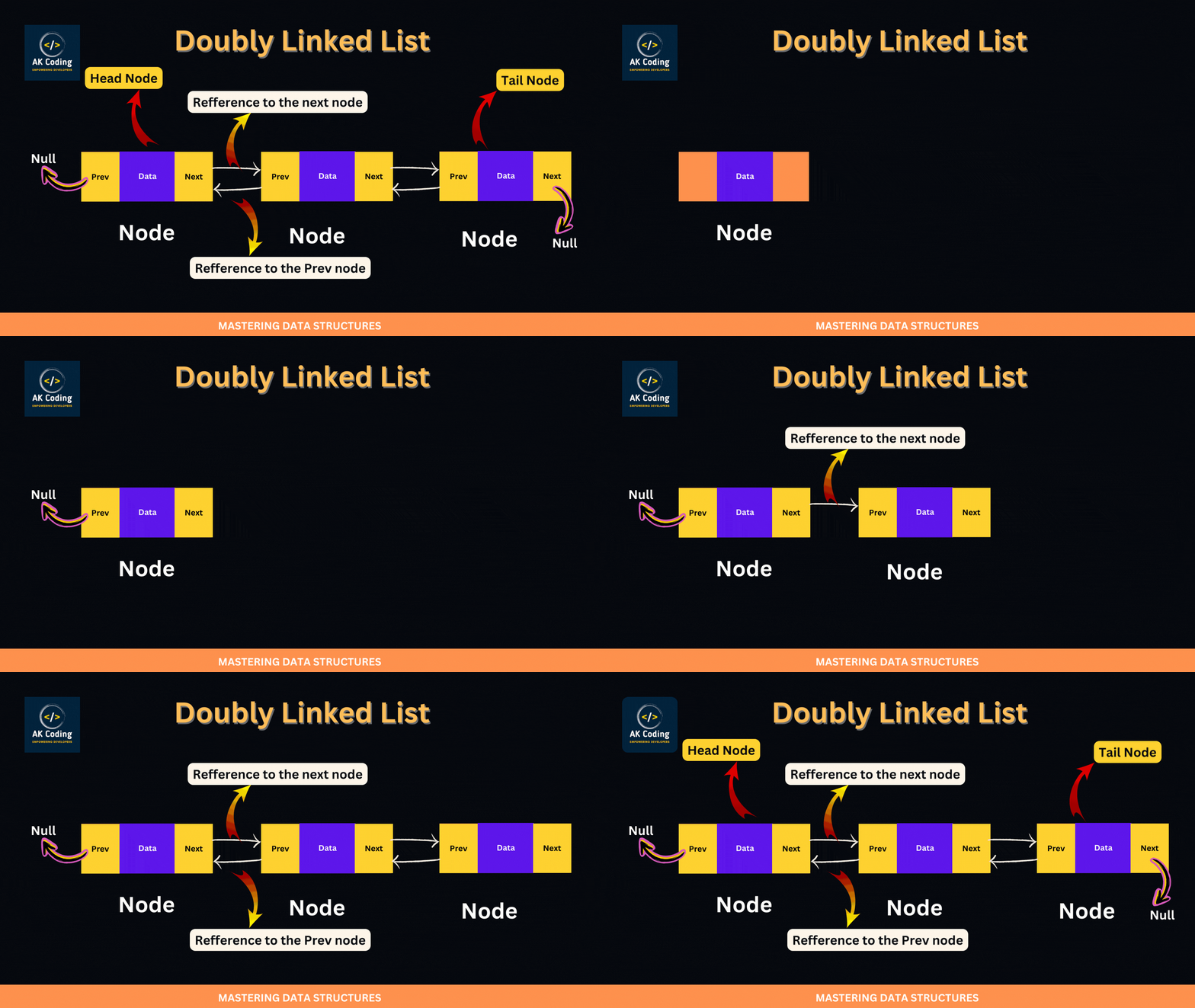
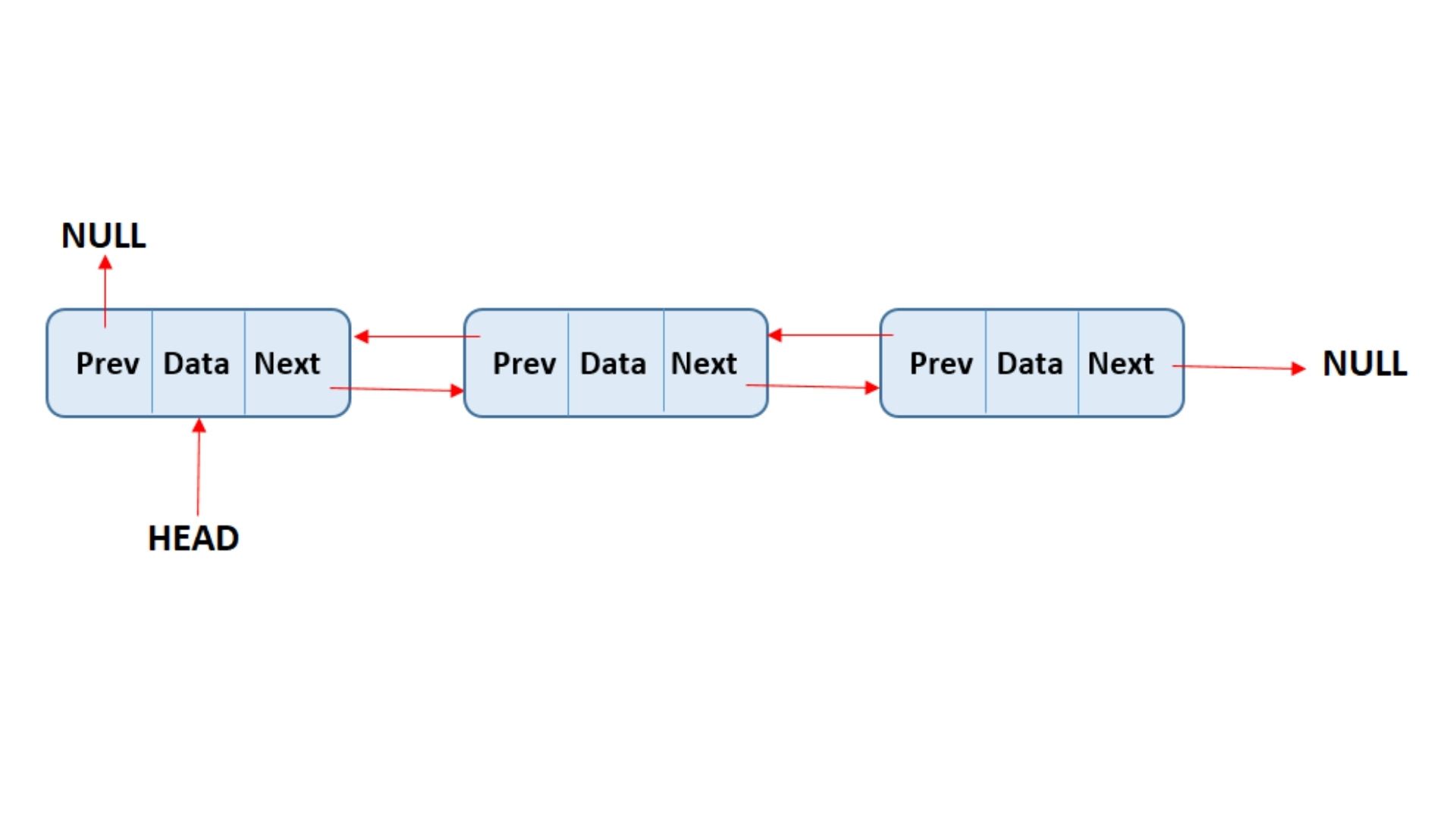
A Linked List is a linear data structure consisting of nodes, where each node contains data and a pointer to the next node.
Characteristics
- Dynamic size
- Non-contiguous memory
- Sequential access
- Efficient insertion/deletion
Real-Life Example
- Music playlist navigation
Best For (Key Insight)
- When frequent insertion/deletion is needed
3. Stack


Definition
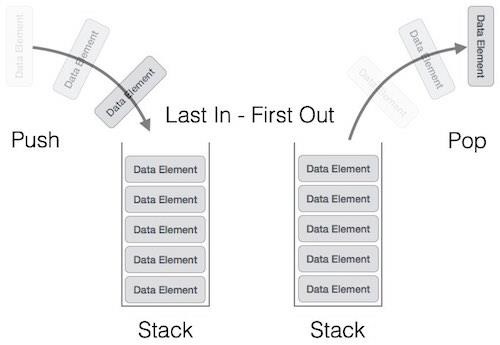
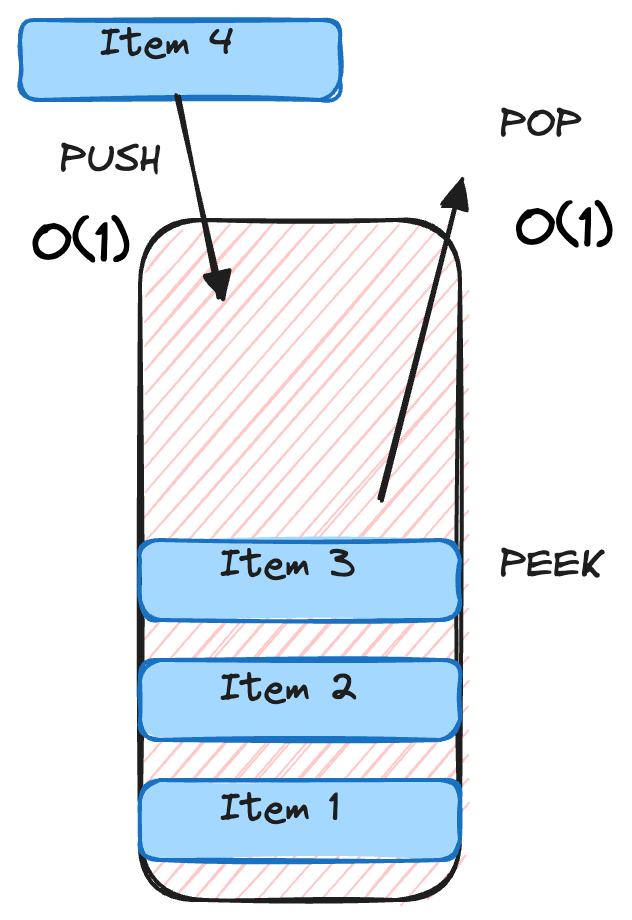
A Stack is a linear data structure that follows the LIFO (Last In, First Out) principle.
Characteristics
- Operations: Push, Pop, Peek
- Access from one end (top)
- Fast operations (O(1))
Real-Life Example
- Stack of plates
Best For (Key Insight)
- Undo operations, recursion, expression evaluation
4. Queue
Definition
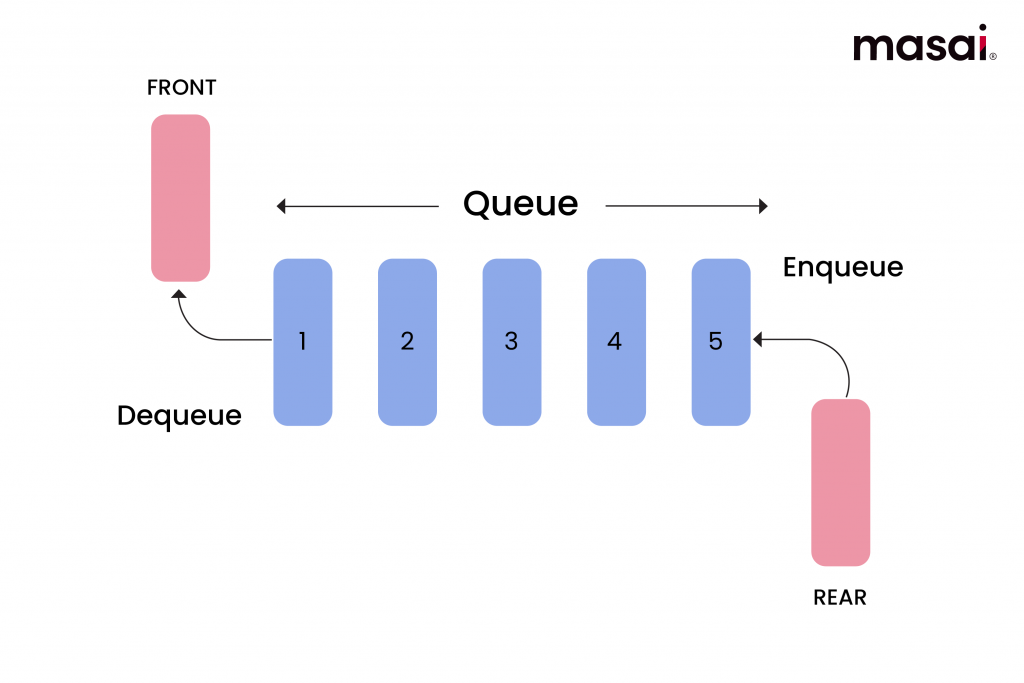
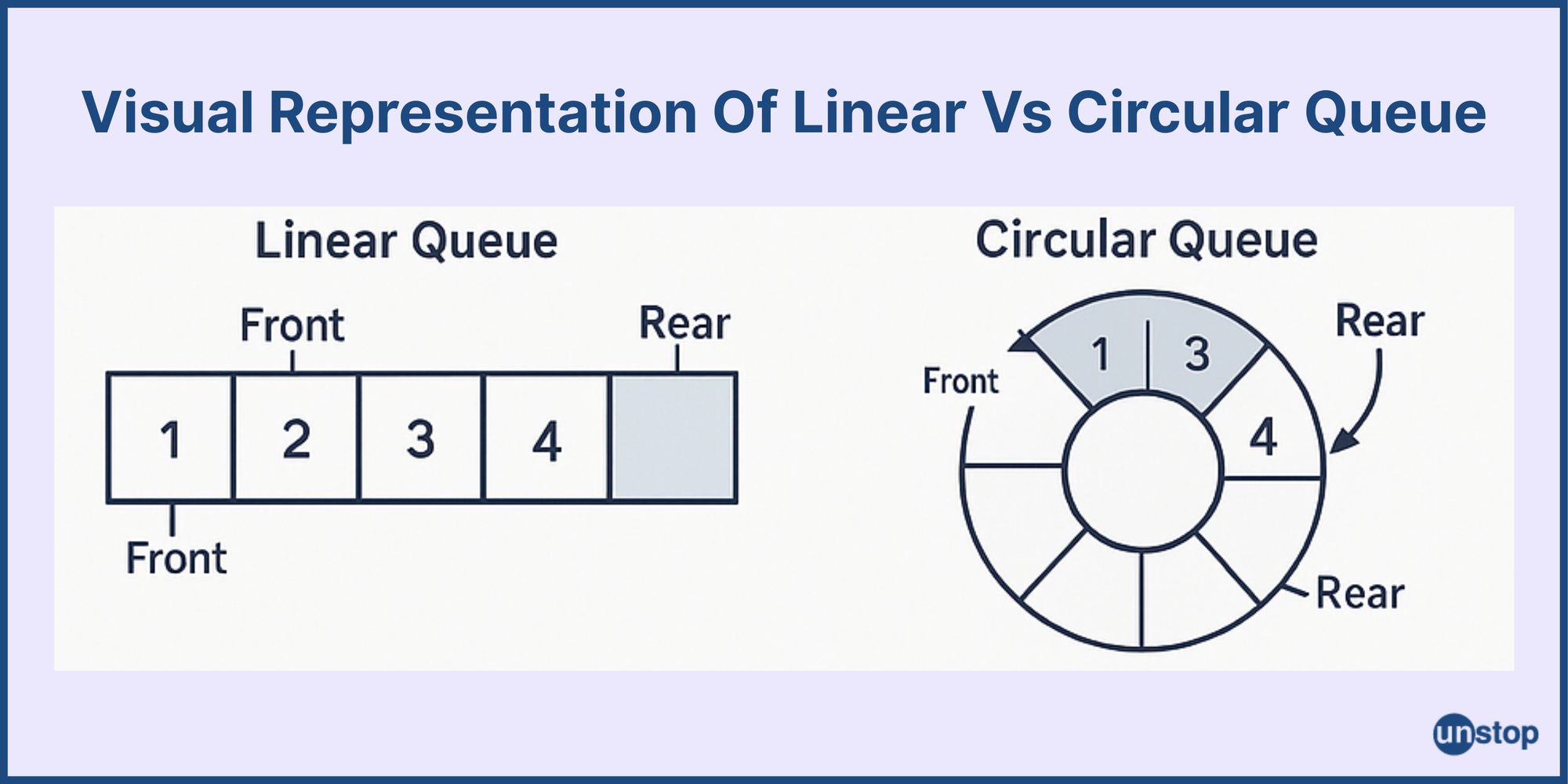
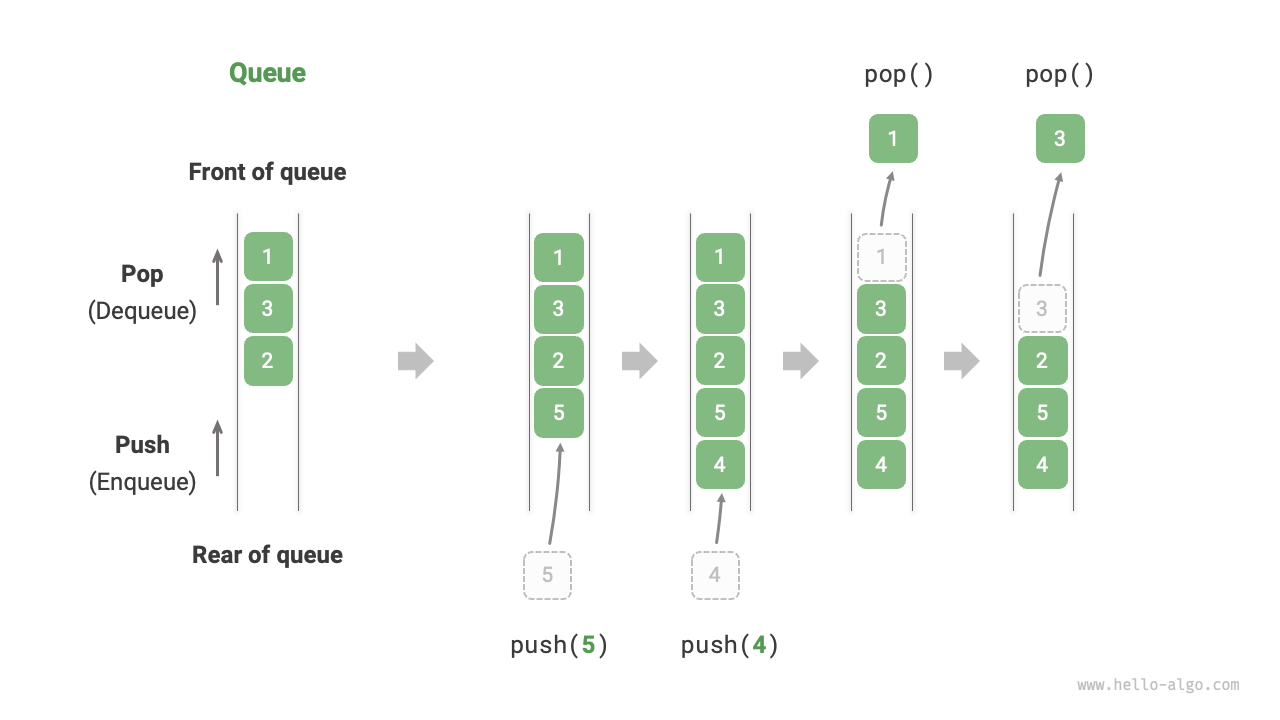
A Queue is a linear data structure that follows the FIFO (First In, First Out) principle.
Characteristics
- Two ends: Front and Rear
- Operations: Enqueue, Dequeue
- Ordered processing
Real-Life Example
- People standing in a line
Best For (Key Insight)
- Scheduling, buffering, task processing
5. Tree



Definition
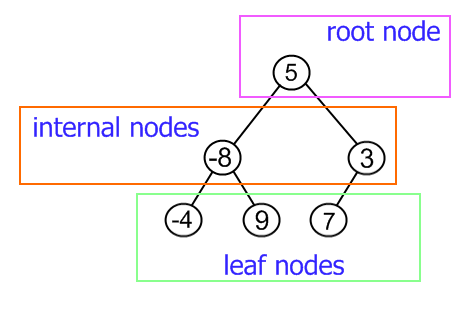
A Tree is a non-linear hierarchical data structure consisting of nodes connected by edges.
Characteristics
- Root node
- Parent-child relationship
- No cycles
- Recursive structure
Real-Life Example
- File system folders
Best For (Key Insight)
- Representing hierarchical data
6. Graph


Definition
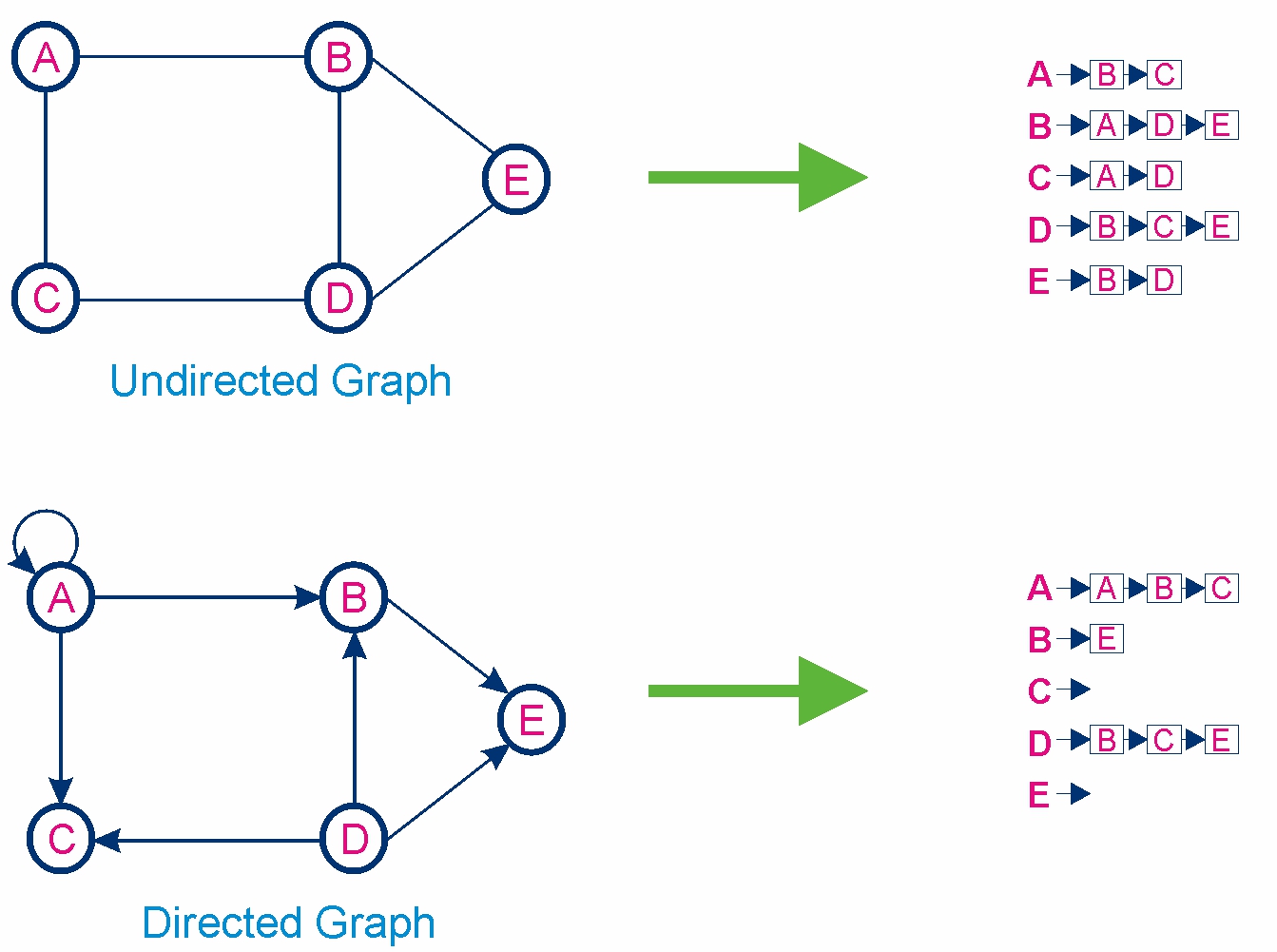
A Graph is a non-linear data structure consisting of vertices (nodes) and edges connecting them.
Characteristics
- Directed/Undirected
- Weighted/Unweighted
- Can contain cycles
Real-Life Example
- Social networks
Best For (Key Insight)
- Representing relationships and networks
7. Heap
Definition
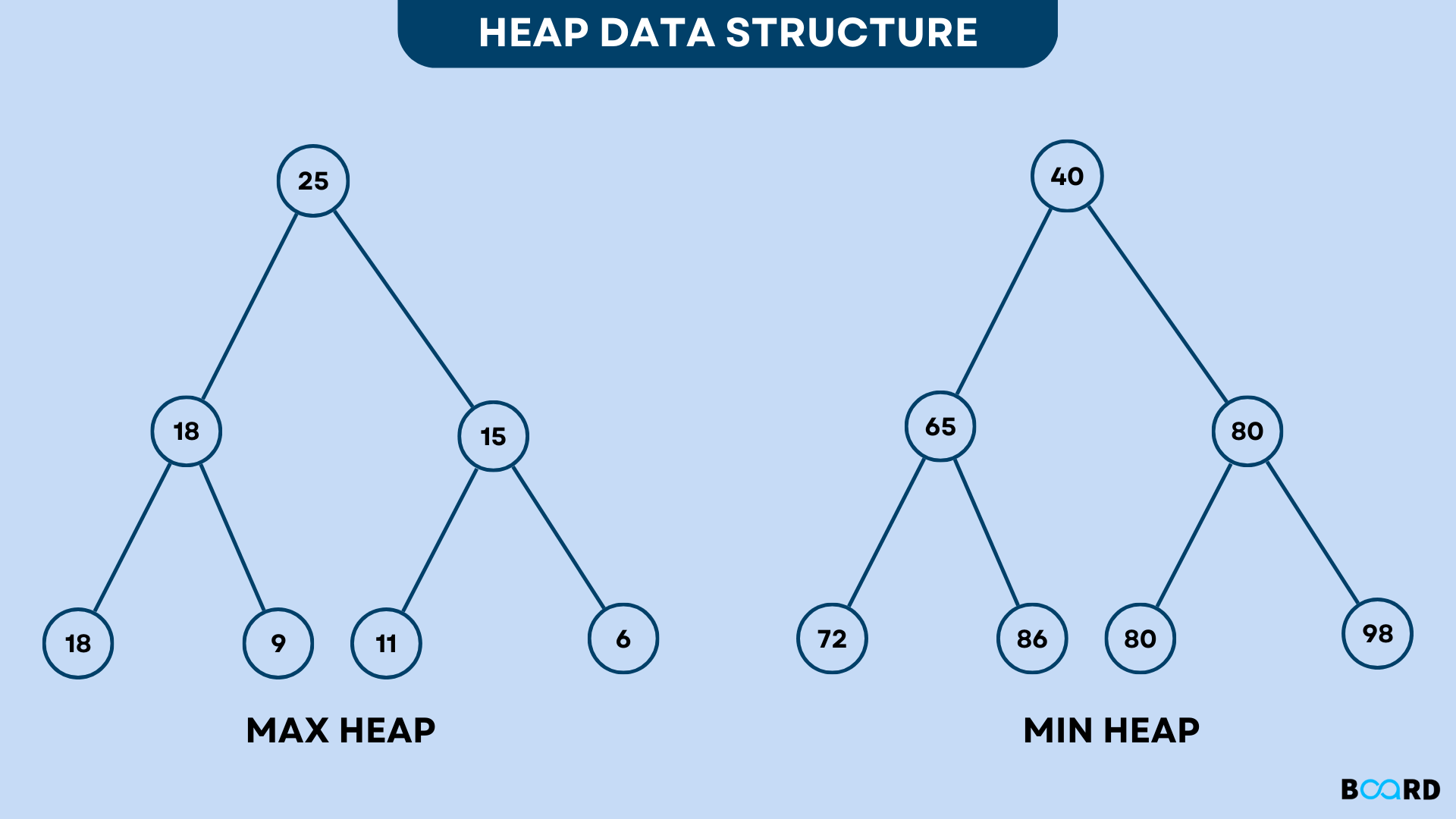
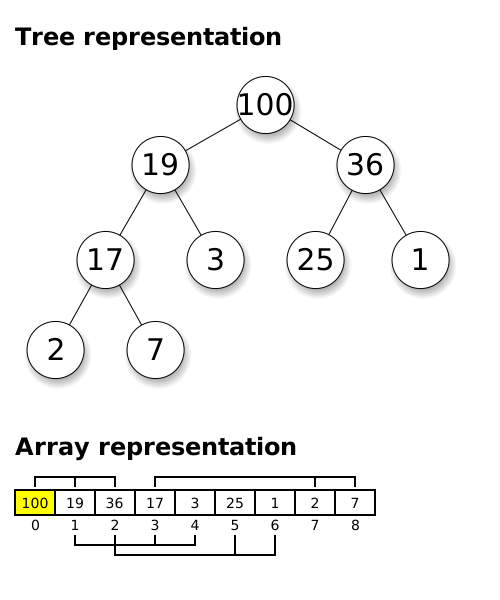
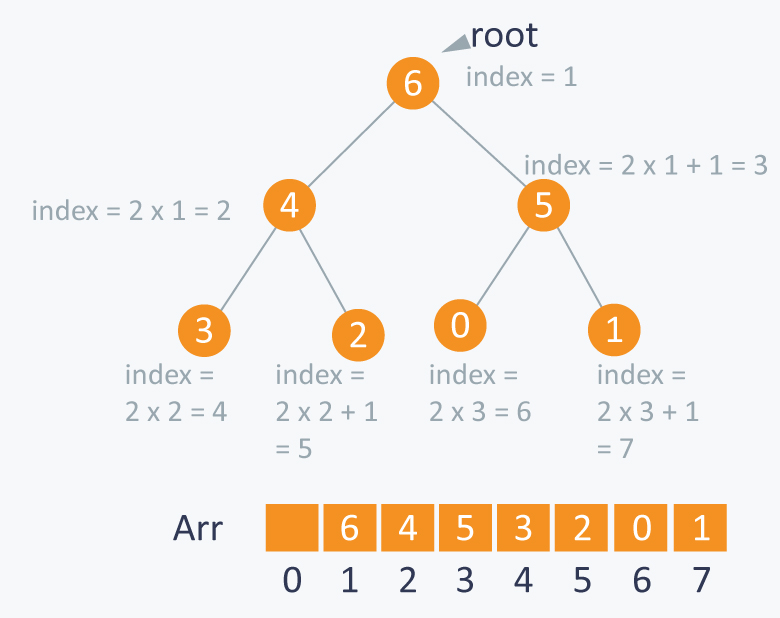
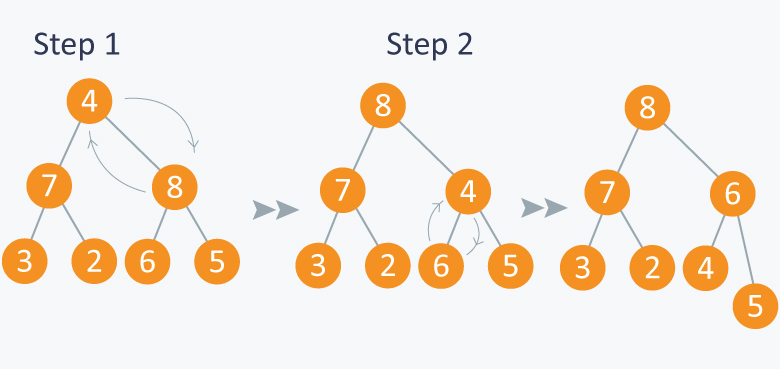
A Heap is a complete binary tree that satisfies the heap property.
Characteristics
- Complete binary tree
- Parent-child ordering
- Efficient priority operations
Real-Life Example
- Priority queue (task scheduling)
Best For (Key Insight)
- Priority-based processing
8. Hash Table


Definition
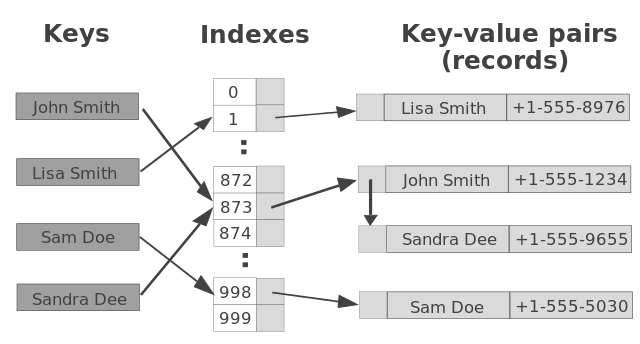
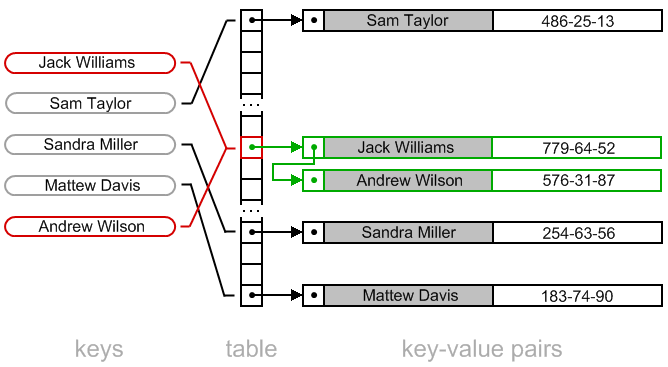
A Hash Table is a data structure that stores data in key-value pairs using a hash function.
Characteristics
- Fast access (O(1) average)
- Uses hashing
- Handles collisions
Real-Life Example
- Dictionary (word → meaning)
Best For (Key Insight)
- Fast searching and lookup
9. Trie

Definition
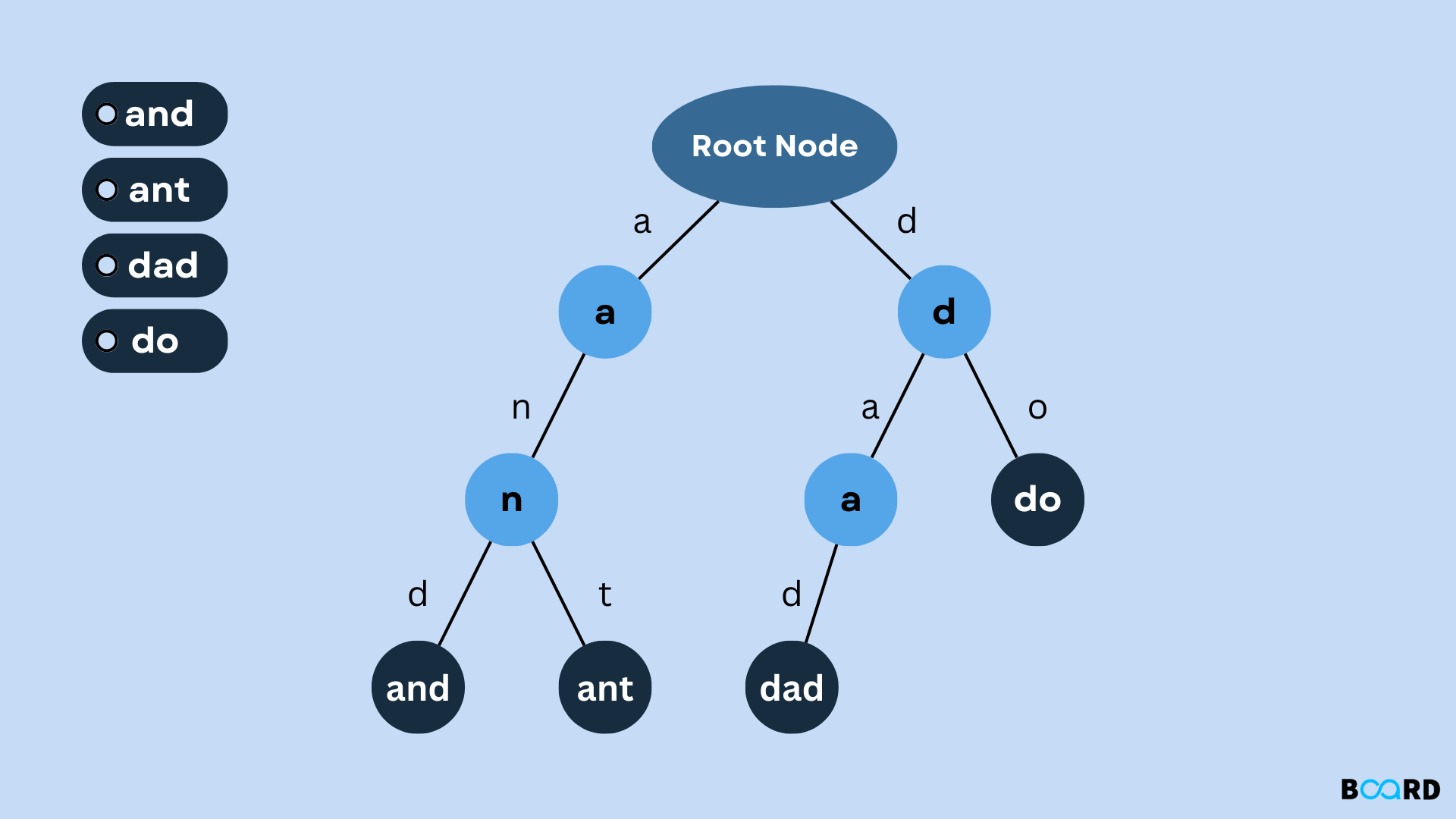
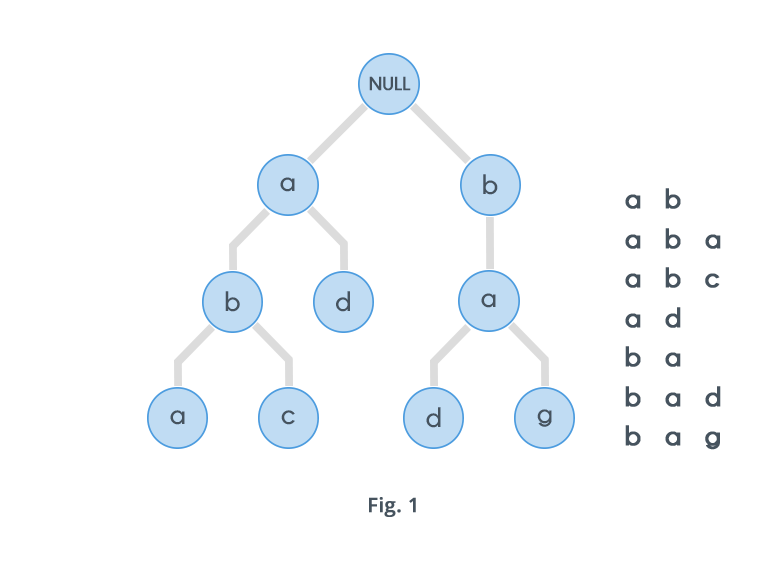
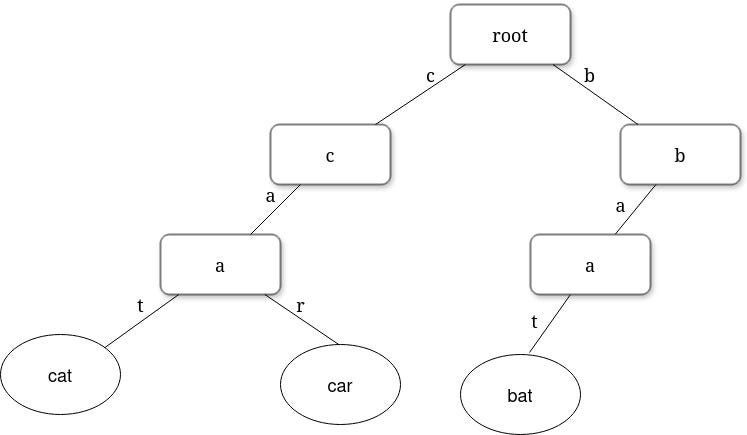
A Trie is a tree-like data structure used to store strings where each node represents a character.
Characteristics
- Prefix-based storage
- Fast string searching
- Memory-intensive
Real-Life Example
- Autocomplete systems
Best For (Key Insight)
- Prefix searching and dictionary problems
10. Deque
Definition
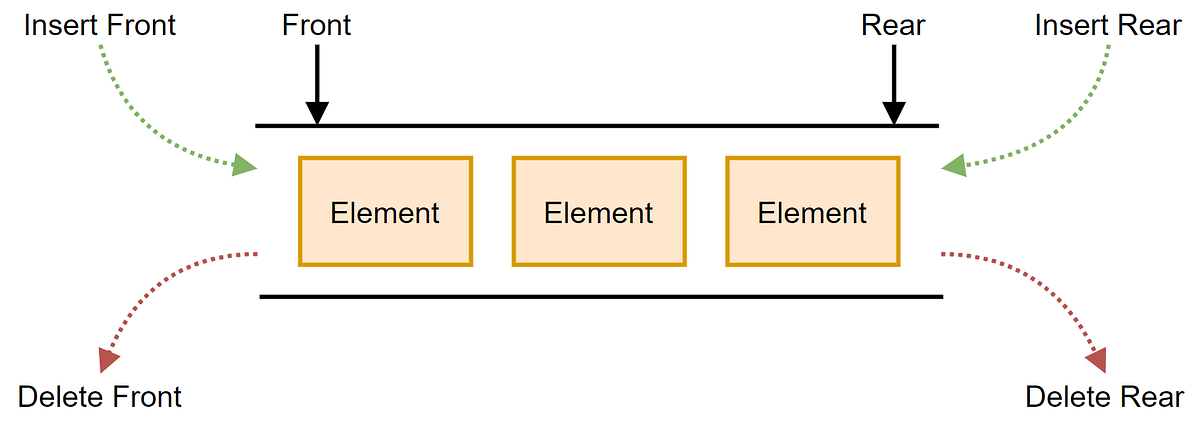
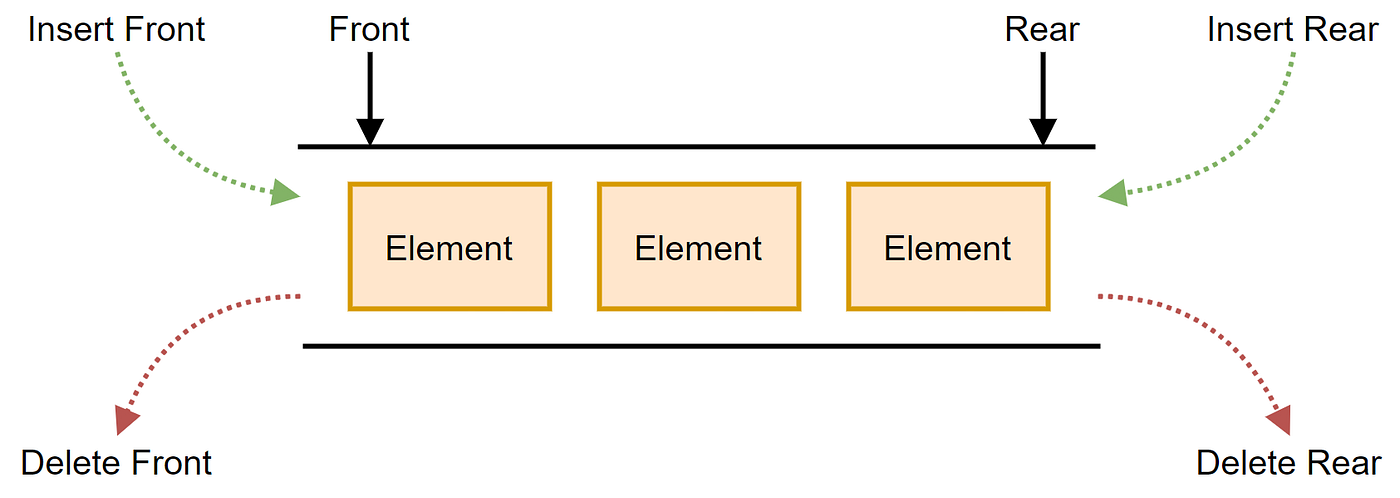
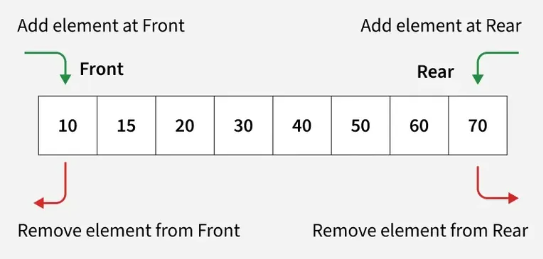
A Deque is a data structure in which insertion and deletion can occur at both ends.
Characteristics
- Flexible (stack + queue)
- Operations at both ends
- Efficient (O(1))
Real-Life Example
- Sliding window problems
Best For (Key Insight)
- When both-end operations are required
Summary
- Array → Fast access
- Linked List → Flexible memory
- Stack → Reversal / recursion
- Queue → Order processing
- Tree → Hierarchy
- Graph → Relationships
- Heap → Priority
- Hash Table → Fast lookup
- Trie → Strings/prefixes
- Deque → Dual operations